Sofa Cleaning: Practical Tips, Methods, and Expert Insights for a Fresher Home
Why Sofa Cleaning Matters More Than Most People Realize
The everyday impact of a clean sofa
Your sofa is one of the most used pieces of furniture in any home. It supports family movie nights, quick naps, guest visits, and everyday lounging. Because of that, sofa cleaning is not just about making upholstery look nice. It is about preserving comfort, hygiene, and the lifespan of the fabric or leather.
Over time, cushions trap dust, pet hair, food crumbs, body oils, and odors. Even when a sofa looks clean, hidden buildup can affect indoor air quality and make the entire room feel less fresh. Regular sofa cleaning helps reduce allergens and keeps your living space healthier.
There is also a visual benefit. A well-maintained sofa instantly makes a room look brighter, more organized, and more welcoming. Whether you own a fabric sectional, a leather loveseat, or a delicate upholstered set, proper cleaning sofa fabric techniques can preserve appearance and value.
Common reasons sofas get dirty
Sofas collect dirt faster than many homeowners expect. Shoes, hands, pets, and daily use all contribute to staining and wear. Drinks spill, snacks fall between cushions, and dust settles into the weave of the upholstery.
Another reason sofa cleaning becomes necessary is the natural buildup of body oils and sweat. These are not always visible at first, but they slowly darken fabric and create odors. In homes with children or pets, upholstery maintenance becomes even more important because accidents and muddy paws can lead to stubborn stains.
Environmental factors can also play a role. Open windows, nearby roads, and humid conditions can increase dust accumulation and mildew risk. That is why routine sofa cleaning should be part of every home care plan, not just an emergency response to a spill.
Understanding Your Sofa Material Before Cleaning
Fabric, microfiber, leather, and more
Before starting any sofa cleaning project, it is essential to identify the upholstery material. Different materials react differently to water, detergents, steam, and friction. Using the wrong method can damage the texture or leave permanent marks.
Fabric sofas are common and comfortable, but they can absorb liquids quickly. Microfiber is often easier to maintain and may respond well to gentle brushing and light solutions. Leather requires a different approach altogether, because too much moisture can dry it out or create cracking.
Manufacturers usually include a care tag with cleaning codes. These codes indicate whether the sofa should be cleaned with water-based solutions, solvent-based products, or professional methods. Understanding these instructions is the first step in safe and effective sofa cleaning.
What the common cleaning codes mean

Many sofas include one of several cleaning labels. These labels may appear on the underside of cushions or frame. Knowing them helps avoid accidental damage and makes sofa cleaning much easier.
- W - Water-based cleaners are safe.
- S - Use solvent-based cleaners only.
- WS - Water or solvent cleaners are acceptable.
- X - Vacuum only; professional care may be required.
If your sofa tag says W or WS, a mild upholstery cleaner or diluted soap solution may work well. For S or X codes, careful treatment is essential. When in doubt, test on a hidden area first. This simple step can save you from costly mistakes during sofa cleaning.
How to Prepare for Sofa Cleaning
Set up the space for better results
A successful sofa cleaning session begins with preparation. Clear the surrounding area so you have enough room to vacuum, spot-clean, and dry the sofa properly. Remove throw pillows, blankets, and small decorative items that may interfere with the process.
Next, inspect the upholstery closely. Look for visible stains, worn spots, loose seams, and hidden debris between cushions. Checking the sofa beforehand helps you decide which cleaning method is most suitable and where to focus your efforts.
It is also smart to gather tools before you start. A vacuum with upholstery attachments, soft brushes, microfiber cloths, a bucket, and approved cleaners are usually enough for basic sofa cleaning. If you plan to deep clean, you may also need a steam cleaner or extraction machine.
Essential tools and supplies

Having the right supplies on hand makes sofa cleaning faster and more effective. It also reduces the chance of oversaturating the fabric or spreading stains further.
- Vacuum cleaner with upholstery nozzle
- Soft-bristle brush
- Microfiber cloths
- Distilled water
- Mild dish soap or upholstery-safe cleaner
- White vinegar for certain fabrics
- Baking soda for odor control
- Optional steam cleaner or extraction tool
Use only products that suit your sofa type. The goal of sofa cleaning is not to apply the strongest product available, but the safest one that still delivers good results. Gentle, consistent care usually works better than harsh treatment.
Step-by-Step Sofa Cleaning Methods That Work
Start with dry cleaning techniques
Dry cleaning is often the first stage of effective sofa cleaning. Begin by vacuuming all surfaces, including the seat cushions, arms, back, and creases where debris tends to collect. Use a crevice tool to remove crumbs and dust from narrow gaps.
After vacuuming, brush the upholstery gently to loosen dirt trapped in the fibers. This is especially helpful for fabric and microfiber sofas. For leather, use a dry microfiber cloth instead of a brush to prevent scratches.
Dry cleaning is valuable because it removes loose debris before any liquid is introduced. If you skip this step, the water or cleaner may turn dust into a muddy residue. That can make sofa cleaning more difficult and less effective.
Spot cleaning stains the right way
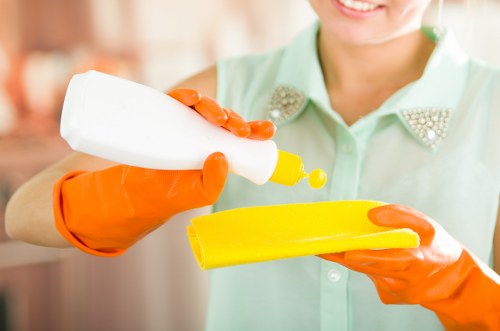
Spot cleaning is crucial when you are dealing with spills, pet accidents, or dark marks. The best approach is to act quickly before the stain settles deeper into the upholstery. Blot the area gently with a clean cloth. Never rub aggressively, because that can spread the stain or push it further into the fibers.
For many fabric sofas, a mixture of mild soap and lukewarm water can handle everyday stains. Apply the solution lightly to a cloth rather than directly onto the sofa. This helps prevent over-wetting. For oily stains, a small amount of upholstery-safe solvent may be better, depending on the fabric code.
Be patient during spot treatment. Let the cleaner sit for a short period if recommended, then blot again with a clean damp cloth. Finish by drying the area with a towel. Proper spot treatment is one of the most important parts of sofa cleaning because it prevents minor spills from becoming permanent damage.
Dealing with common stain types
Different stains require different approaches, and knowing how to respond can improve your sofa cleaning results significantly. The type of stain matters just as much as the material of the sofa.
- Food stains: Remove solids first, then blot with mild cleaner.
- Drink stains: Blot quickly to prevent spreading and discoloration.
- Grease stains: Use a fabric-safe degreasing method or absorbent powder.
- Ink stains: Handle carefully with professional-grade products if needed.
- Pet stains: Use enzyme-based cleaners where appropriate.
If you are unsure, test your cleaner in a hidden area. This simple step protects the appearance of the upholstery during sofa cleaning and helps avoid costly errors.
Deep Sofa Cleaning for a Fresher, Healthier Home
When a deeper clean becomes necessary
Routine vacuuming and spot treatment are helpful, but every sofa eventually needs a deeper clean. Deep sofa cleaning removes embedded dirt, trapped allergens, and lingering odors that surface cleaning cannot fully address.
If your sofa has been exposed to heavy use, pets, smoke, or frequent spills, deep cleaning can restore its original appearance and comfort. Many homeowners also choose seasonal cleaning to keep upholstery fresh throughout the year. Spring and autumn are common times to schedule this type of care.
Deep cleaning methods vary based on material and soil level. Fabric sofas may benefit from steam extraction or shampooing, while leather requires specialized conditioning and gentle surface treatment. The key is to balance cleanliness with fabric protection.
Steam cleaning and extraction methods
Steam cleaning is a popular option for suitable fabric sofas. It uses heat and moisture to loosen dirt, sanitize the surface, and lift contaminants from upholstery fibers. Extraction machines then pull out the loosened grime and excess water.
This method can be highly effective when performed correctly, but it is not suitable for every material. Some sofas may shrink, warp, or lose color if exposed to too much moisture. That is why reading the care code is so important before choosing steam-based sofa cleaning.
After steam cleaning, proper drying is essential. Open windows, use fans, and avoid sitting on the sofa until it is fully dry. In humid conditions, poor drying can lead to mildew or odor problems. A careful drying process is just as important as the cleaning itself.
Dry foam and low-moisture cleaning
Low-moisture methods are useful for delicate upholstery and faster turnaround times. Dry foam cleaners can lift dirt without soaking the fabric, which makes them a good option when water exposure must be limited.
This approach is especially helpful for sofa cleaning in apartments, offices, and busy homes where drying time matters. It reduces the risk of watermarks and keeps the upholstery comfortable to use sooner.
While low-moisture techniques can be convenient, they still require care. Too much product can leave residue, and too little may not remove enough buildup. Balanced application and proper extraction are essential for good results.
Special Care for Leather Sofas
Why leather needs a different cleaning routine
Leather sofas look elegant and are often easier to wipe down than fabric, but they still require consistent maintenance. Standard upholstery cleaners may be too harsh, so leather sofa cleaning should focus on gentle surface care and conditioning.
Start with dusting and vacuuming using a soft brush attachment. Then wipe the surface with a slightly damp microfiber cloth. Use cleaners designed specifically for leather when needed. Avoid soaking the material, since excess moisture can weaken finishes and cause stiffness.
Conditioning is also important. Leather can dry out over time, especially in rooms with strong sunlight or low humidity. A quality conditioner helps preserve softness and reduce cracking. This makes sofa cleaning for leather not only about appearance, but also long-term durability.
Protecting leather from damage
To protect leather during cleaning, keep these tips in mind:
- Avoid harsh chemicals and bleach.
- Do not use abrasive cloths or brushes.
- Wipe spills immediately.
- Keep leather out of direct sunlight when possible.
- Condition regularly based on use and climate.
These habits help leather remain supple and attractive. With the right care, leather sofa cleaning can be simple, effective, and low stress.
Odor Removal and Freshness Tips
How to eliminate unpleasant smells
Even if a sofa looks clean, it may still hold odors from pets, food, humidity, or everyday use. Freshening the upholstery is an important part of complete sofa cleaning.
Baking soda is often used as a natural deodorizer. Sprinkle a light layer over the sofa, let it sit for a suitable amount of time, then vacuum thoroughly. For fabric sofas, this can help reduce mild odors without adding moisture.
Proper ventilation also makes a big difference. Open windows, use fans, and allow air to circulate around the furniture. If smells persist, the problem may be deeper in the cushion filling or frame, in which case a deeper upholstery treatment may be needed.
Preventing odors from coming back
Odor prevention is easier than odor removal. Use washable throws, clean spills immediately, and vacuum weekly to reduce buildup. Pet owners may also benefit from routine grooming and washable covers where appropriate.
By maintaining a regular sofa cleaning schedule, you can keep your living room smelling fresh without relying heavily on fragrances or sprays. A genuinely clean sofa is better than one that only smells clean.
Book your service now if your upholstery has developed stubborn odors that home methods cannot resolve.
How Often Should You Clean a Sofa?
Recommended cleaning frequency
The ideal sofa cleaning schedule depends on usage, household size, and whether pets or children are present. A lightly used sofa may need only occasional deep cleaning, while a busy family sofa may need regular attention.
- Weekly: Vacuum and remove surface dust.
- Monthly: Spot check for stains and odor buildup.
- Every 6 to 12 months: Deep clean upholstery.
- As needed: Treat spills, pet accidents, and visible marks immediately.
Homes with allergies or pets may require more frequent sofa cleaning. Consistency is what keeps upkeep manageable and prevents dirt from becoming embedded.
Signs it is time for professional help
Some sofas respond well to at-home cleaning, but others need specialized treatment. If stains remain after multiple attempts, if odors keep returning, or if the upholstery is delicate, professional sofa cleaning may be the better choice.
Professional service can also help when the sofa is large, heavily used, or made from challenging materials. Experts have the tools and training to clean deeper while reducing the risk of damage. In many cases, professional sofa cleaning can extend the life of furniture and restore its appearance more effectively than DIY methods.
If your sofa is showing clear signs of wear, don’t wait too long. Contact us today and take the first step toward a cleaner, fresher living space.
Preventive Maintenance Tips That Make Sofa Cleaning Easier
Habits that protect upholstery every day
Good maintenance reduces the effort needed for future sofa cleaning. Small daily habits can keep your upholstery looking better for longer and help you avoid stubborn buildup.
- Vacuum regularly to remove dust and crumbs.
- Rotate cushions to distribute wear evenly.
- Use throws or covers in high-traffic homes.
- Keep food and drinks away from the sofa when possible.
- Blot spills immediately instead of waiting.
- Schedule periodic deep cleaning before problems grow.
These steps may seem simple, but they make a major difference. Preventive care means less stress, fewer stains, and more effective sofa cleaning when you actually need it.
Kids, pets, and busy households
Family homes often need a realistic approach to upholstery care. Children may spill snacks, and pets may leave fur, paw prints, or occasional accidents. Instead of trying to avoid every mess, focus on building a routine that supports quick cleanup and long-term care.
Choose stain-resistant fabrics when possible, keep cleaning supplies accessible, and train family members to handle spills right away. These habits make sofa cleaning far less overwhelming and help your furniture stay in good condition even with daily use.
When life gets busy, a regular maintenance plan is the simplest way to protect your investment. A clean sofa creates a more comfortable home, and consistent care keeps that comfort easy to maintain.
Final Thoughts on Sofa Cleaning
Clean upholstery supports comfort and style
Effective sofa cleaning is about more than appearance. It helps maintain hygiene, improve indoor freshness, and preserve the life of one of the most important pieces of furniture in your home. Whether you are dealing with routine dust, a fresh spill, or deep-seated dirt, the right method makes all the difference.
By identifying the material, using the proper tools, responding quickly to stains, and maintaining a regular care schedule, you can keep your upholstery looking and feeling great. From fabric and microfiber to leather and specialty finishes, each sofa benefits from thoughtful cleaning and ongoing attention.
If your furniture needs extra care, do not put it off. Clean upholstery can transform how your home looks and feels. Book your service now and enjoy the confidence that comes with a fresher, healthier living space.