Oven Cleaning in a Modern Home: Practical Methods, Safety Tips, and Lasting Results
Oven cleaning is one of those household tasks that many people delay until grease, smoke, and burnt food make it impossible to ignore. Yet regular oven cleaning does far more than improve appearances. It supports better cooking performance, reduces unpleasant odors, helps prevent smoke-filled kitchens, and can even extend the lifespan of your appliance. Whether you are dealing with a lightly used oven or a heavily soiled one, understanding the right approach to oven cleaning can save time, effort, and frustration.
In busy homes, oven cleaning often gets pushed aside because it feels messy and time-consuming. However, with the right routine, the task becomes much more manageable. A clean oven heats more evenly, bakes more reliably, and uses less energy than a neglected one. For households that cook often, especially those that roast, bake, or broil regularly, oven cleaning should be part of normal kitchen maintenance rather than an occasional emergency job.
Another reason oven cleaning matters is hygiene. Food residue, grease buildup, and spills can attract pests and create lingering smells. In some cases, burnt residue can even affect the flavor of meals. That is why many homeowners and renters look for practical oven cleaning methods that are safe, effective, and suited to their appliance type. Clean ovens make cooking easier, safer, and more enjoyable.
Why Oven Cleaning Matters for Every Household
Oven cleaning is about much more than shine. When grease and carbonized food accumulate inside the oven, they can interfere with airflow and heat distribution. This may lead to uneven baking, longer preheating times, and food that cooks inconsistently. If you have ever noticed that one side of a tray browns faster than the other, a dirty oven could be part of the problem.
Safety is another important factor. Built-up grease can smoke at high temperatures, filling your kitchen with unpleasant fumes. In extreme cases, residue can become a fire risk. Even if the danger is not immediate, regular oven cleaning helps reduce the amount of smoke and odor released during cooking. This is especially important in smaller homes or apartments where ventilation may be limited.
There is also a financial benefit. A well-maintained oven is less likely to suffer damage from long-term buildup, stuck-on grime, or neglected spills. Over time, this can reduce the need for repairs or premature replacement. For homeowners who want their appliances to last, routine oven cleaning is a smart habit. It is a simple investment that protects both performance and value.
Common signs your oven needs attention
- Visible grease or burnt-on food on the oven floor or walls
- Smoke appearing when the oven is heated
- Strong odors during baking or roasting
- Uneven cooking or longer cooking times
- Dark residue on oven racks or glass doors
Preparing for Oven Cleaning the Right Way

Before starting any oven cleaning task, preparation makes the process safer and more efficient. The first step is to switch off the appliance completely and allow it to cool. Never begin cleaning a warm oven unless the manufacturer’s instructions specifically allow it. Once the oven is cool, remove the racks, trays, and any loose accessories so you can reach the interior surfaces properly.
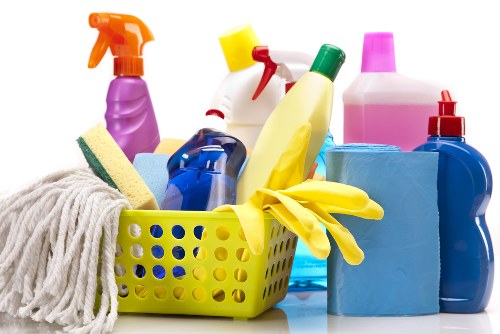
Next, gather your cleaning supplies. Depending on the method you choose, you may need baking soda, vinegar, dish soap, a non-scratch sponge, microfiber cloths, rubber gloves, and a plastic or silicone scraper. Avoid using sharp metal tools on oven surfaces, as they can scratch the enamel or damage coatings. For self-cleaning models, check the manual before doing anything, because some surfaces require special treatment.
Good ventilation is also essential during oven cleaning. Open a window, switch on the extractor fan if available, and keep the kitchen aired out while working. If you are using commercial oven cleaning products, read the label carefully and follow the safety directions. Proper preparation reduces risk and improves the final result.
Before you begin, remember these basics
- Turn the oven off and let it cool fully.
- Remove racks, trays, and loose debris.
- Put on gloves if using stronger cleaners.
- Protect nearby counters and floors if needed.
- Work in a well-ventilated space.
Popular Oven Cleaning Methods That Actually Work

There are several approaches to oven cleaning, and the best one depends on how dirty the appliance is, what type of oven you have, and how much time you want to spend. Some people prefer natural methods, while others choose stronger commercial products for stubborn buildup. Each method has benefits, and choosing the right one can make oven cleaning much less stressful.
One of the most popular options is the baking soda and vinegar method. This approach is widely used because it is inexpensive, easy to prepare, and suitable for many homes. A paste made from baking soda and water can be spread inside the oven, left overnight, and then wiped away the next day. Vinegar can help loosen remaining residue and reduce streaks. This method is ideal for regular oven cleaning and moderate buildup.
Commercial oven cleaners are another option, especially for heavily soiled ovens. These products are designed to break down grease and burnt-on food quickly. However, they must be used carefully because some formulas are strong and may irritate skin, eyes, or lungs. Always follow label instructions and avoid mixing products. Never combine chemicals unless the manufacturer explicitly says it is safe.
Natural vs. chemical oven cleaning
- Natural cleaning is gentler and often better for routine maintenance.
- Chemical cleaners may be more effective on thick grease and old residue.
- Steam cleaning can help soften grime in some oven models.
- Self-cleaning cycles use high heat to burn off residue, but require caution.
If you have children, pets, or sensitivity to fumes, you may prefer a milder oven cleaning method. If the oven has years of buildup, a stronger solution may be necessary. In many cases, a combination of methods works best: start with a gentle paste, then use a targeted cleaner on stubborn spots. This flexible approach keeps oven cleaning practical and efficient.
Step-by-Step Oven Cleaning Process for Better Results
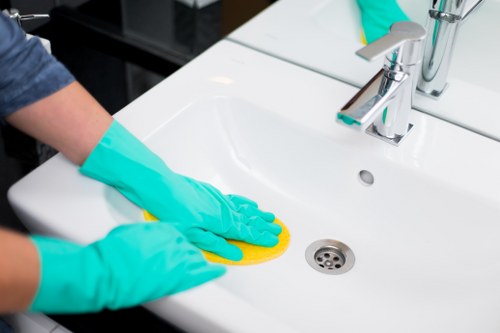
To achieve a thorough result, it helps to follow a clear oven cleaning routine. First, remove the oven racks and soak them in warm water with dish soap or a suitable degreasing solution. While they soak, focus on the inside of the oven. If using a baking soda paste, apply it generously to the interior surfaces, avoiding heating elements, fans, and sensitive seals.
Let the paste sit for several hours or overnight so it can soften the grime. Once the residue has loosened, use a damp cloth or sponge to wipe away the paste. For stubborn spots, apply a little extra paste or use a scraper designed for delicate surfaces. Repeat the process as needed until the interior looks clean. Good oven cleaning is often about patience rather than force.
After the interior is done, return to the racks. Scrub them with a non-abrasive pad to remove softened debris. Dry everything thoroughly before placing the racks back into the oven. Finish by wiping the door glass with a microfiber cloth and a gentle cleaner. Drying the surfaces helps prevent streaks and keeps the oven ready for use.
Simple oven cleaning workflow
- Cool the oven and remove all loose items.
- Take out racks and soak them.
- Apply your chosen cleaning product or paste.
- Allow time for the grime to soften.
- Wipe, scrub gently, and repeat if needed.
- Dry all parts before reassembling the oven.
This kind of routine makes oven cleaning less overwhelming and gives you a more polished finish. If your oven has a lot of baked-on residue, you may need to repeat the process more than once. That is normal, especially if cleaning has been delayed for a long time. Consistency matters more than speed.
How Often Should You Clean Your Oven?

The ideal oven cleaning schedule depends on how often you cook and what types of meals you prepare. If you use the oven several times a week, wiping spills quickly and doing a deeper clean every few months is a good practice. Homes that cook greasy dishes, roast meat frequently, or bake sugary desserts may need more frequent oven cleaning because spills can burn quickly and become difficult to remove later.
A practical approach is to handle small messes as soon as the oven cools. Wiping away fresh spills prevents them from hardening. Then, every four to six weeks, inspect the oven interior and give it a deeper clean if needed. For lighter use, a quarterly schedule may be enough. Consistency is the secret to easier oven cleaning.
Oven racks, glass doors, and control knobs should also be included in your routine. These areas collect grease and fingerprints that can make the appliance look dirtier than it is. A cleaner exterior contributes to the overall appearance of the kitchen and makes oven cleaning feel more complete. It also prevents grime from spreading when you touch the appliance during cooking.
Signs it is time for a deeper clean
- Burnt smells when the oven is turned on
- Grease visible on the bottom or side walls
- Dark marks on the glass door
- Food sticking to trays or racks
- Smoke from normal baking temperatures
If you notice these signs, do not wait too long. A timely oven cleaning session will usually be easier and more effective than trying to remove months of buildup later.
Oven Cleaning Safety Tips You Should Not Ignore
Safety should always come first during oven cleaning. Different ovens have different finishes, and not every cleaner is suitable for every surface. Before applying any product, test it in a small hidden area if possible. Avoid spraying cleaners directly onto fans, heating elements, or electrical components. If you are unsure, consult the appliance manual or the manufacturer’s website.
Wear gloves when handling stronger solutions, and keep cleaning agents away from children and pets. Never mix bleach with vinegar, ammonia, or any other chemical unless specifically directed by the product instructions. Strong reactions can produce harmful fumes. For this reason, many people choose gentle oven cleaning methods for regular upkeep and reserve stronger treatments for rare deep cleans. Safe cleaning is always better than fast cleaning.
Also be careful with self-cleaning ovens. These models reach extremely high temperatures to burn off residue, but they can create smoke and unpleasant odors if the oven is already heavily soiled. Make sure the room is well ventilated, remove items from the top of the oven, and follow the cycle instructions closely. If your oven has a lock feature, do not attempt to force the door open during or after the cycle.
How to Keep Your Oven Cleaner for Longer
Keeping your oven clean between deep cleans is easier than handling heavy buildup later. One of the best habits is to wipe spills as soon as the appliance cools enough to be safe. Fresh spills are much easier to remove than baked-on messes. You can also place a baking tray under dishes that are likely to bubble over, though it should never block airflow or touch heating elements.
Another useful strategy is to cover foods that tend to splatter, especially during roasting or grilling. If you cook lasagna, pies, casseroles, or fatty meats frequently, check the oven after each use for drips. Small preventative steps can dramatically reduce future oven cleaning time. A few seconds of prevention can save hours of scrubbing.
It also helps to use the right cookware. Deep pans, roasting trays, and oven-safe lids can reduce mess. Avoid overfilling dishes, and place food on stable racks to prevent spills. Routine care makes oven cleaning simpler and protects the appliance over the long term.
Helpful habits for cleaner ovens
- Wipe fresh spills once the oven is safe to touch
- Use trays or liners where appropriate and allowed
- Do not overcrowd dishes that may bubble or overflow
- Inspect the oven door and handle regularly
- Schedule regular maintenance cleaning before buildup becomes severe
When Professional Oven Cleaning Makes Sense
Sometimes oven cleaning is simply too difficult to tackle alone. If the buildup is thick, the smell is persistent, or the oven has not been cleaned in years, professional oven cleaning may be the most efficient option. Professionals often use specialized tools and products that can restore the appliance more quickly and with less risk of damage. This can be especially helpful for busy families, rental turnovers, or households preparing for special events.
Professional oven cleaning is also worth considering if you have a delicate oven finish, a luxury appliance, or a self-cleaning model that has developed issues. In these cases, expert handling can prevent accidental damage and deliver better results. It can also save you from spending an entire day on a task that may require repeated effort. Sometimes the smartest choice is to let trained cleaners handle the heavy work.
Even if you hire someone for deep cleaning occasionally, you can still maintain the oven yourself between appointments. That combination of professional and routine care keeps the appliance looking better and working more efficiently.
Final Thoughts on Oven Cleaning for a Better Kitchen
Oven cleaning does not need to feel like a major chore. With the right methods, a realistic schedule, and a few smart habits, it becomes a manageable part of household care. A clean oven improves cooking performance, supports kitchen hygiene, and helps prevent unpleasant odors and smoke. It also keeps your appliance in better condition for longer, which is valuable for any home.
Whether you prefer natural cleaning ingredients, stronger degreasers, or a professional service, the key is consistency. Do not wait until the oven is covered in stubborn residue. Regular oven cleaning is simpler, safer, and more effective than waiting for a deep emergency clean. Start with small steps, stay consistent, and your oven will reward you with better results every time you cook.
If your oven is overdue for attention, now is the perfect time to act. Book your service now or take the first step toward a fresher, cleaner kitchen. A well-kept oven makes everyday cooking easier and helps your home feel more polished and cared for. Contact us today if you want cleaner results without the hassle.