Regular Cleaning in Modern Homes and Businesses: Why It Matters More Than Ever
Regular cleaning is one of the simplest ways to create a healthier, more comfortable, and more productive environment. Whether you manage a busy household, a commercial office, or a shared space, regular cleaning helps reduce dust, control allergens, improve hygiene, and maintain a polished appearance. It is not just about making a place look tidy; it is about supporting well-being, protecting surfaces, and reducing the long-term cost of neglect.
In today’s fast-paced world, people often underestimate how much difference consistent cleaning can make. A home that receives regular cleaning feels calmer and easier to live in. A workplace that follows a routine cleaning schedule tends to look more professional and operate more efficiently. From kitchens and bathrooms to lobbies and workstations, cleanliness affects how a space feels, functions, and performs over time.
There is also a practical side to regular cleaning that many people overlook. Dust buildup can damage electronics, grime can stain surfaces, and mold can spread quickly in damp areas. By staying ahead of messes, you protect your investment in furniture, flooring, fixtures, and appliances. In many cases, a consistent cleaning routine is far more effective and affordable than waiting until problems become visible.
What Regular Cleaning Really Means
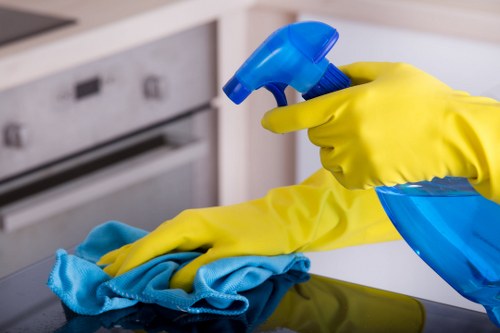
Regular cleaning refers to the repeated maintenance of a space on a scheduled basis. It includes everyday tasks such as sweeping, vacuuming, wiping surfaces, sanitizing high-touch points, and emptying trash bins. It also covers recurring chores like mopping floors, cleaning bathroom fixtures, dusting vents, and washing windows as needed.
The key difference between regular cleaning and occasional deep cleaning is consistency. Regular cleaning prevents buildup before it becomes overwhelming, while deep cleaning addresses hidden dirt and harder-to-reach areas. Both are important, but a steady routine is what keeps a space manageable between larger cleaning sessions.
For many people, the term “regular cleaning” can mean different things depending on the setting. In a home, it may involve daily tidying and weekly maintenance. In an office, it may include nightly cleaning services and scheduled disinfection. In retail or hospitality environments, it may be more frequent due to higher traffic and stricter hygiene expectations.
Common tasks included in a regular cleaning routine
- Dusting shelves, furniture, and decorative items
- Vacuuming carpets and rugs
- Sweeping and mopping hard floors
- Cleaning countertops and tabletops
- Sanitizing sinks, handles, and switches
- Emptying bins and replacing liners
- Spot-cleaning spills and stains promptly
One of the biggest advantages of regular cleaning is how manageable it keeps your environment. Instead of facing a major reset every few weeks, you maintain a space that is already under control. This reduces stress and saves time because small tasks are easier to complete than large, accumulated messes. Over time, this habit creates a noticeable improvement in daily life.
Regular cleaning also supports better organization. When surfaces are clean and clutter is reduced, it becomes easier to find what you need and keep important items in their place. This is especially helpful in homes with children, offices with shared equipment, and commercial spaces that need to present a professional image every day.
Perhaps most importantly, regular cleaning helps establish standards. Once a space is routinely maintained, everyone who uses it begins to expect a higher level of order and responsibility. That shift in behavior can be powerful, leading to cleaner habits, better teamwork, and a more pleasant environment overall.
Why Regular Cleaning Is Essential for Health and Hygiene
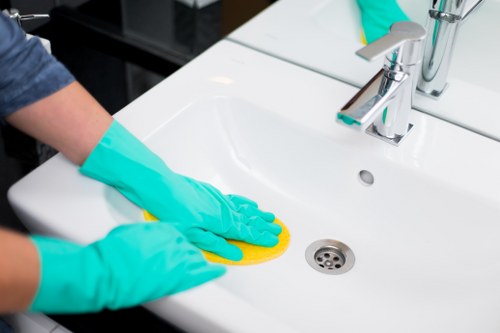
Clean environments do more than look appealing; they help reduce exposure to germs, allergens, and irritants. Regular cleaning removes dust, pollen, pet dander, food residue, and other particles that can affect indoor air quality. This is especially important for families, employees, visitors, and anyone with allergies or respiratory sensitivities.
Kitchen and bathroom areas need special attention because moisture and organic matter can support bacteria, mold, and odor formation. By cleaning these spaces regularly, you lower the risk of unpleasant smells, visible grime, and contamination. Sanitizing high-touch surfaces such as faucets, light switches, countertops, and door handles adds another layer of protection.
Health-focused cleaning is not limited to visible areas. Floors, baseboards, vents, and overlooked corners can collect debris that circulates through the environment. A routine cleaning schedule helps address these hidden buildup zones before they become an issue. This is one reason regular cleaning is a smart habit in both homes and workplaces.
Health benefits linked to regular cleaning
- Reduced allergens and airborne dust
- Lower chance of germs spreading on surfaces
- Improved indoor air quality
- Less mold and mildew in damp spaces
- Cleaner food preparation and restroom areas
Cleaner spaces support better daily living
When a room is clean, it is easier to relax, work, cook, and socialize without distraction. People often feel more energized and focused in tidy spaces because the environment is visually calmer and physically more comfortable. This is why regular cleaning is often associated with improved routine, better mood, and a more balanced lifestyle.
There is also a public-facing side to hygiene. Offices, clinics, stores, and hospitality venues are judged partly by how clean they appear. A well-maintained environment signals care, responsibility, and professionalism. In contrast, dusty surfaces, dirty floors, or overflowing bins can quickly create a negative impression, even if the service or product itself is strong.
For households, hygiene affects the comfort and safety of family members and guests. Children, older adults, and people with weakened immune systems can be more sensitive to dirty surroundings. With regular cleaning, you create a space that supports everyone’s well-being while reducing unnecessary health concerns.
In short, regular cleaning is a simple but powerful way to promote a healthier environment. It does not replace medical care or specialized sanitation when needed, but it does make everyday spaces safer, fresher, and more livable.
How Regular Cleaning Protects Your Property
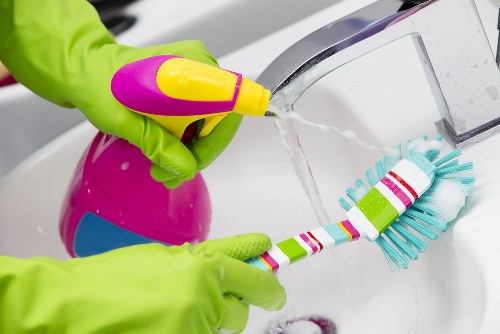
Many people think of cleaning as a cosmetic task, but it also functions as maintenance. Dirt, grease, dust, and moisture can wear down materials over time. Regular cleaning helps prevent premature damage to floors, countertops, upholstery, appliances, and fixtures. This protection matters whether the property is residential, commercial, or rental.
For example, dust can scratch delicate surfaces, grease can stain kitchen cabinets, and mineral deposits can dull faucets and tiles. Carpets that are not vacuumed frequently can trap particles that degrade fibers. Hardwood floors may lose their finish faster when grit is allowed to accumulate. A consistent cleaning routine helps preserve the original condition of these surfaces.
Appliances also benefit from routine care. Refrigerators, microwaves, ovens, coffee machines, and HVAC components can perform more reliably when kept clean. Lint, food residue, and dust are all common causes of efficiency problems. By staying on top of regular cleaning, you can help your property run more smoothly and avoid unnecessary repair costs.
Property protection benefits
- Extends the life of surfaces and materials
- Reduces staining, etching, and discoloration
- Helps appliances function efficiently
- Prevents long-term buildup in hard-to-clean areas
- Maintains a more attractive appearance
Small habits create long-term savings
Wiping spills immediately, dusting weekly, and vacuuming high-traffic areas are small steps that can save money over time. When regular cleaning is part of the routine, surfaces stay in better shape and costly restoration work becomes less likely. This makes cleaning not just a habit, but a smart property care strategy.
Business owners often see property protection as an operational priority. Clean floors reduce wear, organized workspaces reduce accidents, and routine maintenance helps support brand image. For landlords and property managers, regular cleaning can also improve tenant satisfaction and reduce turnover-related issues.
Residential property owners benefit too. A clean home usually requires less intensive labor later, making seasonal or annual deep cleaning easier to manage. Instead of battling layers of grime, you work from a cleaner baseline. That difference can be substantial.
From a long-term perspective, regular cleaning is one of the easiest ways to preserve value. It protects both the visible appearance and the hidden structure of your space, which is why many homeowners and business operators treat it as essential rather than optional.
Building an Effective Regular Cleaning Routine
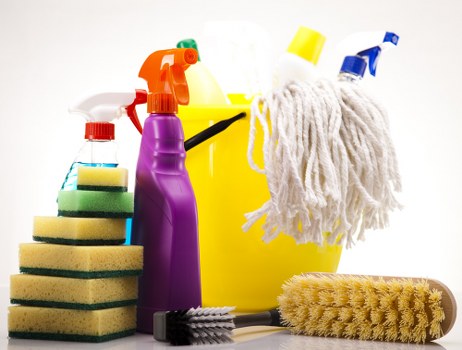
A strong cleaning routine should be realistic, repeatable, and tailored to the space. The best schedule is the one you can actually follow. For some households, that means daily touch-ups and weekend maintenance. For offices, it may mean after-hours cleaning with periodic deeper attention to shared spaces.
Start by identifying the areas that get dirty fastest. These are often kitchens, bathrooms, entryways, break rooms, and high-touch surfaces. Once you know the priority zones, you can decide what needs daily attention and what can be handled weekly or monthly. This helps prevent overwhelm and keeps the routine efficient.
It is also useful to assign tasks by frequency. Some jobs belong in a daily checklist, while others fit better into a weekly or monthly plan. Keeping the system simple makes it more likely that regular cleaning will remain consistent over time.
A practical cleaning schedule example
- Daily: wipe counters, wash dishes, sanitize handles, sweep high-traffic areas
- Weekly: vacuum carpets, mop floors, clean bathrooms, dust surfaces
- Biweekly: clean mirrors, wipe baseboards, disinfect trash bins, wash linens
- Monthly: clean vents, detail appliances, wash windows, inspect hidden corners
Tip: Keep supplies in convenient locations so cleaning never feels like a major project. A well-stocked caddy with microfiber cloths, all-purpose cleaner, disinfectant, gloves, and trash bags can make regular cleaning faster and easier.
Consistency matters more than perfection. A routine that is completed regularly will deliver better results than an ambitious plan that is rarely followed. Even a few minutes a day can make a meaningful difference when done steadily.
Another useful strategy is to clean while you go. This means handling small messes immediately instead of letting them build up. Put items away after use, wipe kitchen surfaces after cooking, and sort clutter before it accumulates. These small actions reduce the burden of larger cleanup later.
For busy families or teams, creating shared responsibility can help. When everyone knows their role, regular cleaning feels less like a chore and more like a normal part of shared living or working. Clear expectations make the routine smoother and more sustainable.
Finally, review the routine periodically. As your schedule, family size, or business activity changes, your cleaning needs may change too. A flexible cleaning plan stays effective because it adapts to real life.
Regular Cleaning in Homes, Offices, and Commercial Spaces
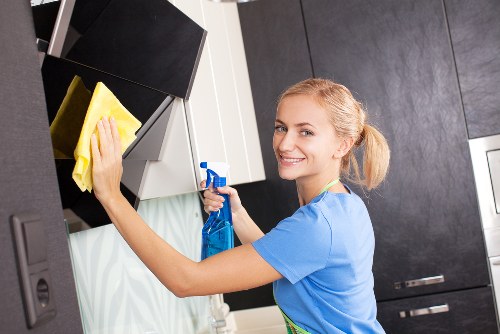
Although the purpose of regular cleaning is similar across environments, the priorities can differ. Homes need comfort, health, and order. Offices need productivity, professionalism, and shared hygiene. Commercial spaces often need speed, consistency, and customer-facing presentation. Understanding these differences helps shape a better approach.
In homes, regular cleaning often focuses on kitchens, bathrooms, floors, bedrooms, and living areas. The goal is to keep the home comfortable and manageable for daily life. Families often benefit from a routine that combines quick daily tasks with more thorough weekly jobs.
In offices, cleaning should address desks, conference rooms, break areas, restrooms, shared devices, and entry points. A clean office supports concentration and helps employees feel more valued. It also makes a stronger impression on clients and visitors. For this reason, many businesses treat regular cleaning as part of workplace standards.
Common areas that need regular attention
- Entryways and reception areas
- Bathrooms and wash stations
- Desks, counters, and tables
- Floors, carpets, and mats
- Kitchenettes and break rooms
- High-touch points such as switches and handles
Commercial spaces need consistency
Retail stores, restaurants, clinics, and service businesses often experience heavy foot traffic. In these environments, regular cleaning must happen often enough to keep pace with use. Cleanliness influences customer confidence, employee morale, and compliance with hygiene expectations. A visible commitment to cleaning can strengthen a brand’s reputation.
Shared spaces also benefit from clear cleaning expectations. Apartment buildings, coworking spaces, and community facilities are used by many different people, which makes routine maintenance especially important. Regular cleaning helps prevent conflict, reduces complaints, and keeps shared environments welcoming.
In every setting, the message is the same: clean spaces work better. Whether the focus is comfort, performance, or presentation, regular cleaning supports the outcome you want. That is why so many people and organizations consider it an essential part of property care.
Regular cleaning is not a one-size-fits-all activity, but its value remains constant. When adapted to the needs of the space, it becomes a reliable system that saves time, protects health, and improves the overall experience of using the property.
Deep Cleaning vs. Regular Cleaning: Why You Need Both
Regular cleaning and deep cleaning serve different purposes, but they work best together. Regular cleaning maintains the day-to-day condition of a space, while deep cleaning tackles accumulated dirt, hidden grime, and neglected areas. Thinking of them as competitors is a mistake; they are complementary.
Regular cleaning prevents buildup from getting out of hand. Deep cleaning then steps in periodically to restore freshness and detail. Without regular cleaning, deep cleaning becomes more difficult and time-consuming. Without deep cleaning, certain areas may never receive the thorough attention they need.
Many cleaning problems start small. A little grease on a stovetop, a bit of dust behind furniture, or moisture in a bathroom corner may not seem urgent at first. Over time, though, those issues grow. Regular cleaning interrupts that cycle and keeps the space in a healthier condition between deeper sessions.
How to balance the two
- Use regular cleaning for daily and weekly upkeep
- Schedule deep cleaning monthly or seasonally
- Focus deep cleaning on grout, vents, behind appliances, and upholstery
- Use the regular routine to prevent buildup before deep cleaning is needed
Balance makes the difference
When regular cleaning is consistent, deep cleaning becomes less overwhelming. That balance is one of the most practical ways to maintain a space that feels fresh without constant effort.
Some people believe deep cleaning can replace routine upkeep, but that usually leads to frustration. A space that is only cleaned occasionally tends to feel stressful and labor-intensive. Regular cleaning creates a stable foundation that makes everything else easier.
For busy households and organizations, this balance can reduce downtime and disruption. Instead of blocking off large amounts of time for emergency cleanups, you maintain the space in smaller, more manageable increments. That is both efficient and sustainable.
Ultimately, the best cleaning strategy is layered. Regular cleaning keeps things under control, while deep cleaning restores detail and freshness. Together, they create a stronger, healthier, and more appealing environment.
Tips to Make Regular Cleaning Easier to Maintain
One of the biggest challenges is not knowing how to clean, but staying motivated enough to do it consistently. The best way to keep regular cleaning manageable is to make it simple, visible, and routine. Small systems can have a big impact.
Start by reducing friction. Keep supplies easy to reach, use products that work across multiple surfaces, and choose tools that speed up the job. Microfiber cloths, cordless vacuums, and multipurpose cleaners can make regular cleaning feel much less intimidating.
It helps to build cleaning into your existing habits. For example, wipe the bathroom sink after brushing your teeth, clean the kitchen while dinner cooks, or sweep entryways after peak traffic hours. These pairings make cleaning feel natural instead of disruptive.
Helpful habits for consistency
- Break tasks into small daily actions
- Use a written or digital checklist
- Set reminders for weekly and monthly jobs
- Declutter before cleaning for better results
- Reward consistency with a cleaner, calmer space
Pro tip: If a task takes less than two minutes, do it immediately. This simple rule can dramatically reduce clutter and make regular cleaning easier to manage over time.
Another effective method is zone cleaning. Instead of trying to clean everything at once, divide the space into sections and focus on one zone at a time. This is especially useful for larger homes or busy workplaces where a full cleaning session is not always realistic.
Technology can also help. Timers, reminders, shared calendars, and task apps make it easier to stay on schedule. Even a simple posted checklist in a common area can improve consistency for families or teams.
Remember, regular cleaning should support your life, not dominate it. A practical routine that fits your schedule is more valuable than an ideal one you cannot maintain. By keeping the process simple, you increase the chances of long-term success.
Why Regular Cleaning Supports Better Productivity and Comfort
A clean environment influences how people think and behave. Messy spaces can create distraction, while tidy spaces often support focus and calm. This is one of the reasons regular cleaning is so valuable in homes, offices, and customer-facing areas.
In a home, a clean kitchen makes meal preparation easier, a clean living room feels more relaxing, and a clean bedroom supports rest. In an office, organized desks and clean meeting areas can help people stay on task. Across all settings, cleanliness reduces friction and improves the overall experience of the space.
There is also an emotional benefit. Clean surroundings often create a sense of control and accomplishment. When the environment feels orderly, many people feel more ready to tackle the day. That feeling can be motivating and reassuring, especially during busy or stressful periods.
Comfort improvements you can expect
- Less visual clutter and mental distraction
- More pleasant air quality and fewer odors
- Greater sense of order and control
- Improved guest and customer experience
- Reduced stress from accumulated mess
Regular cleaning is also an excellent way to support daily routines. When items are in place and surfaces are clear, tasks take less time and less mental energy. That efficiency can be felt in both personal and professional environments.
In other words: cleanliness is not just about appearance. It shapes how people use a space, how they feel in it, and how effectively they can operate within it.
Because the benefits are so broad, regular cleaning continues to be one of the most practical habits you can build. It protects health, improves comfort, saves money, and supports productivity. That combination is hard to beat.
If you have been struggling to stay on top of household or workplace maintenance, now is the right time to simplify the process. Start with a realistic schedule, keep your tools accessible, and focus on consistency. Even modest improvements can make a visible difference.
Book your service now if you want a cleaner, more organized space without the hassle of managing every detail yourself. Contact us today to take the next step toward a fresher environment and a routine that truly works.